
High Protein Breakfast Indian: 15 Easy, Healthy & Affordable Ideas
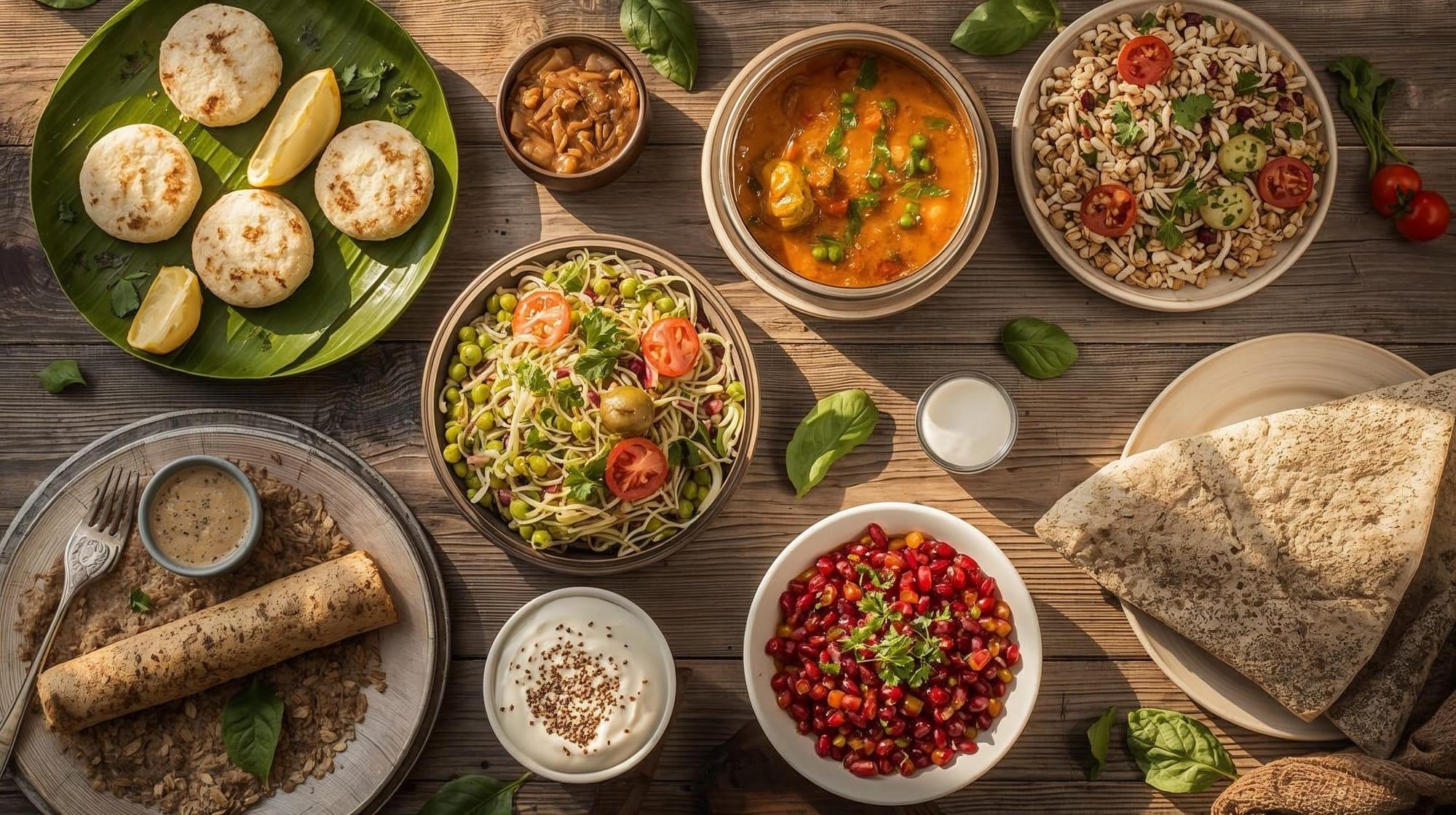
If you are trying to eat healthier, build muscle, lose excess weight, or simply stay full for longer, changing your breakfast can be a great place to start.
But there is one common problem: what should you actually eat in the morning?
Many traditional Indian breakfasts such as poha, idli, dosa, upma and paratha can be part of a healthy diet, but their protein content can vary considerably depending on the ingredients and portion size. The good news is that you do not need expensive protein powders or complicated recipes to make your morning meal more protein-rich.
A good high protein breakfast Indian style can be made with simple foods such as moong dal, besan, paneer, curd, sprouts, eggs, chana, milk, soy and peanuts.
In this beginner-friendly guide, you will learn what makes a breakfast high in protein, which Indian foods you can use, how to combine them, and 15 practical breakfast ideas you can try at home.
What Is a High Protein Breakfast Indian Style?
A high protein breakfast Indian style does not mean that you have to completely change the food you normally eat.
Instead, the idea is simple:
Take a familiar Indian breakfast and increase its protein content.
For example:
- Plain poha → poha + peanuts + sprouts + curd
- Plain dosa → dal-based dosa + paneer or curd
- Paratha → paneer-stuffed paratha + curd
- Bread → whole-wheat bread + eggs or paneer bhurji
- Upma → vegetable upma + roasted soy chunks or curd
This approach makes a high protein Indian breakfast practical for people who do not want expensive or unusual ingredients.
Many current recipe collections also use familiar Indian protein sources such as moong dal, besan, paneer, curd, sprouts, eggs and chana.
Why Choose a High Protein Breakfast Indian Diet?
Protein is an important macronutrient involved in maintaining and repairing body tissues. It is also useful for people who want a more filling meal.
A protein-rich breakfast can be especially useful when your normal breakfast contains mostly carbohydrates.
For example, eating a large plate of plain poha may leave you hungry sooner than a balanced meal containing poha, sprouts, peanuts and curd.
However, protein is not magic. Your overall diet, total calorie intake, sleep, physical activity and consistency still matter.
A high protein breakfast Indian meal may help you:
- Feel satisfied after breakfast
- Support muscle maintenance and recovery
- Make it easier to reach your daily protein intake
- Build a more balanced breakfast
- Reduce dependence on highly processed breakfast foods
- Add more nutrient-dense foods to your morning routine
For people who exercise regularly, distributing protein across meals can also be a practical strategy instead of trying to consume most of it at dinner.
15 High Protein Breakfast Indian Ideas You Can Try
Here are practical options that use ingredients commonly available in Indian kitchens.
Protein values are approximate because brands, recipes and serving sizes can change the final number.
1. Moong Dal Chilla With Paneer
Moong dal chilla is one of the easiest ways to turn lentils into a breakfast.
Soak moong dal, blend it into a batter, add spices and vegetables, and cook it like a savoury pancake.
Add crumbled paneer as a filling to increase the protein.
Try this combination:
- 2 moong dal chillas
- 75–100 g paneer
- Green chutney
- Cucumber or tomato salad
Depending on the portions, this can become a substantial high protein breakfast Indian meal.
2. Besan Chilla With Curd
Besan, or gram flour, is made from chickpeas and can be used to make a quick savoury chilla.
Add onion, tomato, coriander, chilli and spices to the batter.
Serve it with a bowl of curd.
A besan chilla paired with curd is a simple example of how combining two protein-containing foods can make breakfast more satisfying. Tarla Dalal’s current recipe collection similarly highlights besan chilla and curd as a protein-rich combination.
Best for: Vegetarians and quick weekday breakfasts.
3. Paneer Bhurji With Roti
Paneer bhurji is another easy option if you prefer a savoury breakfast.
Cook crumbled paneer with onion, tomato, capsicum and Indian spices.
Serve it with one or two whole-wheat rotis depending on your energy requirements.
Paneer provides protein along with other nutrients, while the vegetables add volume and micronutrients.
This is particularly useful when you want a high protein Indian breakfast without eggs.
4. Egg Bhurji With Whole-Wheat Toast
If you eat eggs, egg bhurji is one of the fastest options.
Scramble eggs with onion, tomato, capsicum, coriander and spices.
Serve with whole-wheat toast.
Three eggs can provide roughly 18–19 g of protein, although the exact amount varies with egg size. Adding curd, milk or another protein-rich side can increase the total.
Quick version:
3 eggs + vegetables + 2 whole-wheat toast slices + curd
This can easily become a filling high protein breakfast Indian meal.
5. Sprouts Chaat With Paneer
Sprouts are another convenient Indian ingredient.
Use steamed or properly cooked moong or mixed sprouts and combine them with:
- Onion
- Tomato
- Cucumber
- Coriander
- Lemon
- Chaat masala
- Paneer cubes
This gives you protein, fibre and vegetables in one bowl.
If raw sprouts do not suit you, lightly steaming them is a simple alternative.
6. High Protein Indian Breakfast Poha
You do not have to stop eating poha just because you want more protein.
Instead, upgrade it.
Add:
- Peanuts
- Green peas
- Sprouts
- Soy granules
- Vegetables
Then serve it with curd.
This turns ordinary poha into a much more balanced high protein Indian breakfast.
The lesson here is important: you don’t always need a completely new recipe. Sometimes you just need to upgrade the recipe you already enjoy.
7. Paneer Paratha With Curd
Paneer paratha can be part of a protein-rich breakfast when prepared with a sensible amount of oil or ghee and paired with curd.
Use crumbled paneer with coriander, spices and vegetables as the filling.
Serve with plain curd rather than relying on butter or large quantities of pickle.
This option is particularly useful for people who want traditional Indian flavours while following a high protein breakfast Indian routine.
8. Moong Dal Dosa
If you enjoy dosa, try making a dal-based version.
Moong dal can be soaked, blended and seasoned before being cooked on a hot tawa.
You can add:
- Paneer filling
- Vegetable filling
- Curd
- Sambar
The addition of dal makes the meal more protein-focused than simply treating the dosa as a carbohydrate source.
9. Sattu Drink + Chana
Sattu is roasted gram flour and can be a convenient ingredient for a quick Indian breakfast.
Mix sattu with water, lemon, cumin, black salt and coriander.
Pair it with boiled kala chana or another protein-containing food.
This is especially useful on mornings when you don’t want to cook a complicated meal.
10. Greek Yogurt or Thick Curd Bowl
Not every high protein breakfast Indian meal needs to be savoury.
Make a simple bowl using thick curd or Greek-style yogurt and add:
- Fruit
- Chia seeds
- Roasted peanuts
- Pumpkin seeds
- A small amount of oats
Check the nutrition label if you are buying packaged yogurt because protein content can vary significantly between products.
For a vegetarian breakfast, dairy can be a convenient way to add protein without cooking.
11. Vegetable Omelette
For non-vegetarians, an omelette is a simple high-protein choice.
Use eggs with:
- Onion
- Tomato
- Capsicum
- Spinach
- Coriander
Serve with whole-wheat toast or roti.
You can increase the protein further by adding a side of curd or milk.
This is one of the easiest high protein breakfast Indian options for busy mornings.
12. Chana Chaat With Curd
Boiled kala chana makes a satisfying base for a breakfast bowl.
Mix it with cucumber, tomato, onion, coriander and lemon.
Add curd on the side.
This combination gives you a mixture of protein, fibre and carbohydrates and requires very little cooking once the chana has been prepared.
13. Protein-Rich Idli and Sambar
Traditional idli can still fit into a protein-focused breakfast.
Instead of eating only idli with chutney, pair it with a generous serving of sambar.
You can also experiment with dal-heavy idli variations.
The important point is that the whole meal matters, not whether an individual food is labelled “high protein.”
14. Soy Keema With Roti
Soy chunks or granules are among the more concentrated vegetarian protein options.
Cook soaked soy granules with onion, tomato, peas and Indian spices.
Serve with one or two rotis.
This is a good option for people who want a vegetarian high protein Indian breakfast without depending heavily on dairy.
If you have never cooked soy before, start with a small portion and see how your digestion responds.
15. Protein-Rich Upma
Just like poha, upma can be upgraded.
Add:
- Peanuts
- Peas
- Roasted soy granules
- Mixed vegetables
Then serve it with curd.
This is a good example of the “protein + carbohydrate + fibre” approach rather than eliminating carbohydrates completely.
High Protein Indian Breakfast: Vegetarian vs Non-Vegetarian Options
You do not need to eat eggs or meat to build a protein-rich breakfast.
Vegetarian protein sources
Good choices include:
- Moong dal
- Masoor dal
- Besan
- Chana
- Sprouts
- Paneer
- Curd
- Milk
- Soy chunks
- Sattu
- Peanuts
Non-vegetarian choices
If you eat animal foods, you can also use:
- Eggs
- Chicken
- Fish
For breakfast, eggs are usually the easiest non-vegetarian option because they are quick to prepare.
The best choice is ultimately the one that fits your dietary preference, budget, availability and routine.
How to Build a High Protein Breakfast Indian Meal
Here is a simple formula beginners can remember:
Step 1: Choose your protein
Pick one or two:
Dal + curd
Paneer + curd
Eggs + milk
Chana + curd
Soy + roti
Step 2: Add vegetables or fruit
Vegetables can increase the volume and nutritional variety of your meal.
Examples:
- Tomato
- Cucumber
- Spinach
- Carrot
- Capsicum
- Peas
Step 3: Add carbohydrates according to your needs
Examples include:
- Roti
- Poha
- Oats
- Dosa
- Idli
- Upma
- Whole-wheat bread
You don’t automatically need to remove carbohydrates to eat a high-protein breakfast.
Step 4: Control added fats
Oil, ghee, butter, nuts and seeds can be nutritious, but they are also calorie-dense.
Use portions that fit your overall diet.
Cheap High Protein Indian Breakfast Ideas
Eating more protein does not have to be expensive.
Some budget-friendly options include:
| Breakfast | Main protein sources |
|---|---|
| Besan chilla + curd | Besan, curd |
| Moong dal chilla | Moong dal |
| Chana chaat | Kala chana |
| Sattu drink + chana | Sattu, chana |
| Sprouts poha | Sprouts, peanuts |
| Soy upma | Soy |
| Egg bhurji + roti | Eggs |
| Dal dosa | Dal |
The cheapest option will vary depending on local prices, but pulses, gram, soy and eggs can be practical choices for many households.
7-Day High Protein Indian Breakfast Plan
If you are a beginner, don’t try 15 recipes at once.
Start with a simple weekly rotation.
Monday: Moong dal chilla + curd
Tuesday: Egg bhurji + whole-wheat toast
Wednesday: Besan chilla + curd + fruit
Thursday: Paneer bhurji + roti
Friday: Sprouts poha + curd
Saturday: Chana chaat + paneer
Sunday: Moong dal dosa + sambar + curd
You can swap meals according to your food preferences.
The goal is consistency, not perfection.
Also, checkout this 7 day breakfast reciepe
Common Mistakes With a High Protein Breakfast Indian Diet
1. Thinking protein means only eggs
Vegetarian Indian diets have plenty of protein-containing foods.
Dal, beans, dairy, soy, chickpeas and seeds can all contribute.
2. Eating huge amounts of paneer
Paneer contains protein, but it also contains calories and fat. More is not always better.
3. Ignoring portion sizes
Even healthy foods can contribute more calories than you need when portions become very large.
4. Drinking protein shakes unnecessarily
Protein powder is a convenience, not a requirement.
If you can comfortably meet your protein needs through regular food, you do not have to use supplements.
5. Eating only protein
A balanced high protein breakfast Indian meal should not mean removing vegetables, fruit or appropriate carbohydrate sources.
6. Changing everything overnight
Start with one breakfast.
Once that becomes easy, add another option.
Frequently Asked Questions
What is the best high protein breakfast Indian option?
There is no single best option for everyone. Moong dal chilla with paneer, besan chilla with curd, egg bhurji, paneer bhurji, sprouts chaat and soy-based breakfasts are all practical choices.
Can I eat a high protein Indian breakfast without eggs?
Yes. You can use moong dal, besan, chana, sprouts, paneer, curd, soy and sattu. Current Indian recipe guides also feature several egg-free options such as besan chilla, paneer bhurji and sprouts.
Is poha a high protein breakfast?
Plain poha is not usually a particularly protein-dense breakfast. However, you can increase its protein content by adding sprouts, peanuts, peas, soy or curd.
Is paratha good for a high protein breakfast?
It can be. A paneer-stuffed paratha paired with curd can provide considerably more protein than a plain paratha. Keep the amount of oil or ghee appropriate for your overall calorie needs.
Can I eat a high protein breakfast for weight loss?
Yes. A protein-rich breakfast can fit into a weight-loss diet, but weight loss depends mainly on your overall energy balance and long-term eating pattern.
How much protein should I eat at breakfast?
There is no universal breakfast target. A practical range such as 20–30 g may work well for many active adults, but your total daily requirement is more important than hitting one exact number at breakfast.
Is a vegetarian high protein Indian breakfast possible?
Absolutely. Dal, chickpeas, beans, soy, paneer, curd, milk, besan and sprouts provide many options.
Final Takeaway
You don’t need a fancy Western breakfast or expensive supplements to eat more protein in the morning.
A good high protein breakfast Indian meal can be built from ordinary foods already found in many Indian kitchens.
Start with a protein source such as dal, besan, paneer, curd, chana, soy or eggs. Add vegetables or fruit, include an appropriate carbohydrate source, and keep added fats and portions under control.
If you are completely new to protein-focused eating, don’t overcomplicate it.
Start with just these three breakfasts:
Moong dal chilla + paneer + curd
Besan chilla + curd + vegetables
Egg bhurji + whole-wheat toast
Once these become part of your routine, you can rotate through the other options in this guide.
The best high protein Indian breakfast is not necessarily the one with the biggest protein number. It is the one that is nutritious, affordable, enjoyable and easy enough for you to keep eating consistently. For more info visit